Beyond a Missed Period: Decoding My Early Pregnancy Symptoms
For women in their childbearing years, whether actively trying to conceive or concerned about an unplanned pregnancy, recognizing the earliest signs of pregnancy is incredibly important. Often, the focus is solely on a missed period, but your body frequently provides subtle (and sometimes not-so-subtle) clues long before that definitive milestone. Understanding
how to differentiate between early pregnancy symptoms and premenstrual syndrome (PMS) can empower you to listen to your body and take appropriate steps. It's crucial to be aware of these indicators for early prenatal care, healthy lifestyle adjustments, and peace of mind.
The journey from conception to a confirmed pregnancy is a fascinating one, marked by a cascade of hormonal changes that signal your body to prepare for a new life. These changes are what give rise to the tell-tale signs we'll explore.
The Timeline of Early Pregnancy Symptoms: When to Watch
Contrary to popular belief, pregnancy symptoms don't appear the moment fertilization occurs. The initial spark of life, a fertilized egg (now called a zygote), begins a remarkable journey down the fallopian tube to the uterus. It's only when this tiny embryo successfully implants itself into the uterine wall – a process known as nidation or implantation – that the body truly begins to register its new resident.
This crucial event typically happens between 6 to 12 days after fertilization, which translates to roughly one to two weeks after the intercourse that led to conception. From this point, significant hormonal shifts commence, primarily involving an increase in progesterone and the production of human chorionic gonadotropin (hCG), the hormone detected by pregnancy tests. These hormonal surges trigger a wide array of physical and emotional changes.
While some women might notice a very subtle sign as early as 3-4 weeks into pregnancy (calculated from the first day of your last menstrual period), most observable symptoms begin to manifest around the 5th or 6th week of pregnancy. This timeframe is approximately 2 to 3 weeks after conception. To dive deeper into the precise timings, explore our guide on
When Do Early Pregnancy Symptoms Start? Your First Signs Guide. Understanding this timeline is key to accurately interpreting
my early pregnancy symptoms.
Common & Often Misunderstood Early Pregnancy Symptoms
Many early pregnancy signs can mimic symptoms of an impending period or even a mild illness, making identification challenging. Here’s a breakdown of common early indicators, often occurring around the 5th or 6th week of pregnancy, that go beyond just a missed period:
Implantation Bleeding & Cramps (Uncommon)
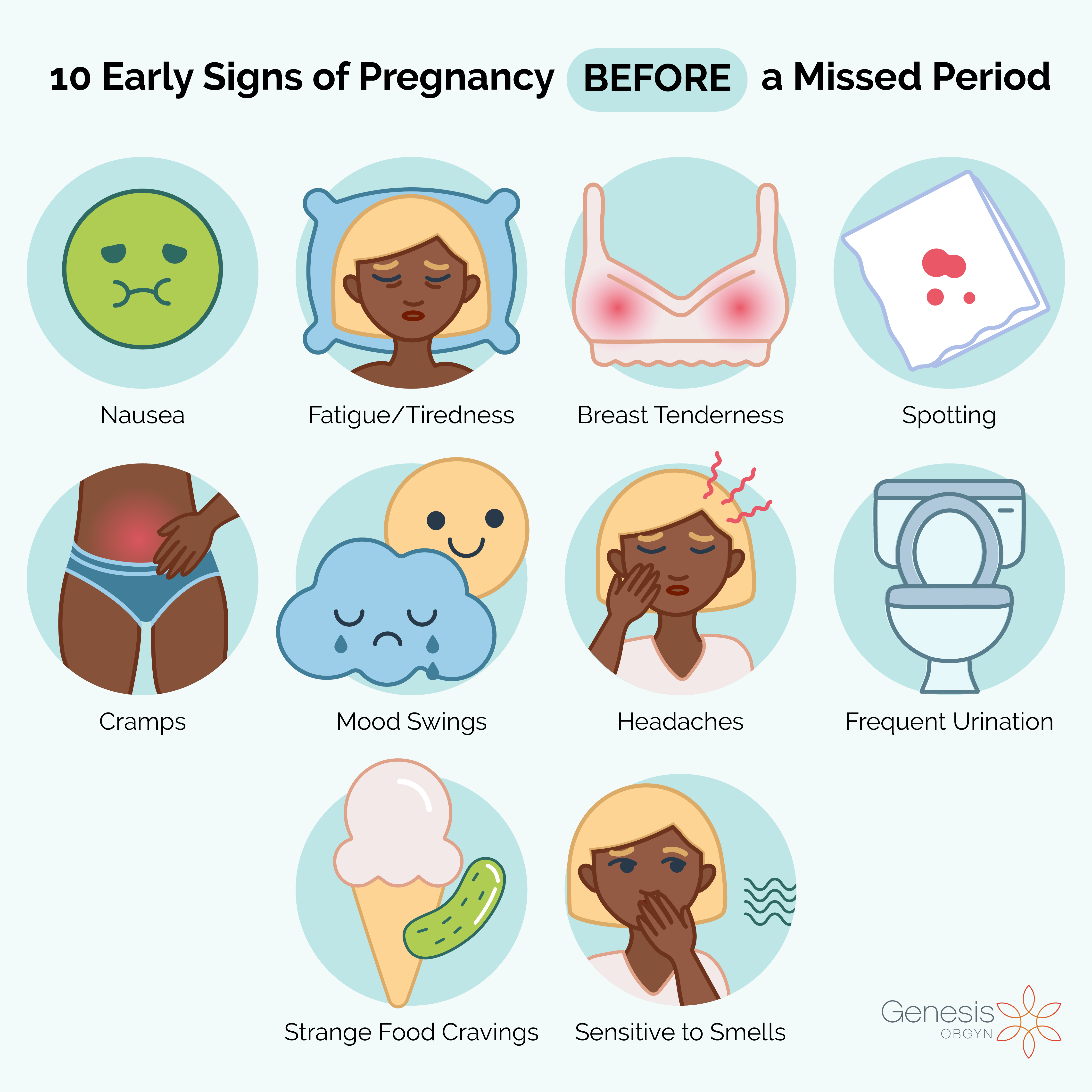
The very first sign for some women, though not all, is light vaginal bleeding. This "implantation bleeding" occurs when the embryo nestles into the uterine lining. It's typically much lighter than a regular period, appearing as spotting or a very light flow, often pinkish or brown. It can last anywhere from a few hours to three days and may be accompanied by mild abdominal cramps, which can easily be mistaken for premenstrual cramps. The key difference lies in its duration and intensity – it's usually less severe and shorter than a typical menstrual period.
Missed Period (The Most Noticed Sign)
While this is often the most definitive signal, particularly for women with regular cycles, it's listed here to emphasize that other symptoms *can* precede it or accompany it. If you've had unprotected sex and your period is late, it’s often the first trigger for taking a pregnancy test. However, stress, diet, travel, and hormonal imbalances can also cause a delayed period, so relying solely on this symptom isn't always accurate.
Breast Changes: Tenderness, Swelling, and Appearance
Hormonal surges, particularly progesterone, can make your breasts feel tender, swollen, or unusually sensitive, similar to how they might feel before your period, but often more pronounced. You might also notice an increase in breast size and changes in the appearance of your nipples or areolas, which may darken or become more prominent. The small bumps around the areola (Montgomery’s tubercles) can also become more noticeable.
Nausea (Morning Sickness)
Nausea, often dubbed "morning sickness," is a classic early pregnancy symptom that can strike at any time of day or night. It typically begins around the 6th week and is thought to be a response to rising hCG levels. While some women experience vomiting, others may only feel a persistent queasiness. For some, certain smells or foods can trigger it.
Fatigue and Sleepiness
Feeling unusually tired, even after a good night's sleep, is a very common early symptom. The dramatic increase in progesterone levels can make you feel sleepy and lethargic. Your body is working hard to prepare for the baby, leading to increased energy demands.
Frequent Urge to Urinate
As your uterus begins to grow and your body produces more blood, your kidneys work overtime, leading to more frequent trips to the bathroom. This symptom can start surprisingly early, around 6-8 weeks into pregnancy, and typically intensifies as pregnancy progresses.
Changes in Taste, Smell, and Food Cravings
Many pregnant women develop a heightened sense of smell, finding certain odors intolerable or even nauseating. Taste can also change, with some women experiencing a metallic taste in their mouth. These altered senses often lead to specific food cravings or aversions, sometimes for foods you previously enjoyed. These shifts are believed to be hormonally driven.
Digestive Discomforts: Constipation, Bloating, and Gas
Progesterone relaxes muscles throughout the body, including those in the digestive tract. This slowdown can lead to constipation and increased intestinal gas, contributing to a bloated feeling similar to what some women experience before their period.
Mood Swings and Headaches
The fluctuating hormones can wreak havoc on your emotions, leading to heightened sensitivity, irritability, or sudden bouts of crying. Headaches are also common in early pregnancy, likely due to hormonal shifts and increased blood volume. Managing stress and staying hydrated can help alleviate these.
Beyond the Obvious: Subtle Indicators
While the above symptoms are widely recognized, your body might also present more subtle or less common signs:
*
Excessive Salivation (Ptyalism): Some women produce more saliva than usual, which can be bothersome.
*
Dizziness or Lightheadedness: Hormonal changes can cause blood vessels to relax and blood pressure to drop, leading to occasional dizziness, especially when standing up quickly (postural hypotension).
*
Vaginal Discharge: An increase in clear, odorless vaginal discharge (leukorrhea) is common as the cervix and vaginal walls soften and strengthen.
*
Acne: The hormonal surge can trigger breakouts, even in those who rarely get pimples.
*
Pregnancy Rhinitis: Nasal congestion, stuffiness, or even nosebleeds can occur due to increased blood flow and hormonal effects on nasal passages.
*
Leg Cramps: Though more common later in pregnancy, some women experience leg cramps earlier on.
*
Hemorrhoids: Increased pressure and constipation can sometimes lead to hemorrhoids.
It's important to remember that every woman's experience with
my early pregnancy symptoms is unique. You might experience only a few of these, or a different combination altogether. The intensity and timing also vary greatly.
When to Take a Test and What to Do Next
If you're experiencing several of these symptoms, especially combined with a missed period, it's time to take a home pregnancy test. Most tests are highly accurate when used according to instructions, especially if you wait until at least a week after your missed period. A positive home test should always be followed up with a visit to your healthcare provider for confirmation through a blood test and an ultrasound.
Early confirmation of pregnancy allows you to:
- Begin prenatal care promptly, ensuring the healthiest start for you and your baby.
- Make crucial lifestyle adjustments, such as avoiding alcohol, tobacco, and certain medications.
- Discuss any concerns or questions with a medical professional.
Ultimately, listening to your body is paramount. While a missed period is often the most definitive signal, being attuned to other early pregnancy symptoms can give you a valuable head start on your pregnancy journey. If you suspect you might be pregnant, taking a test and consulting with your doctor are your next best steps.